Story is the Strategy
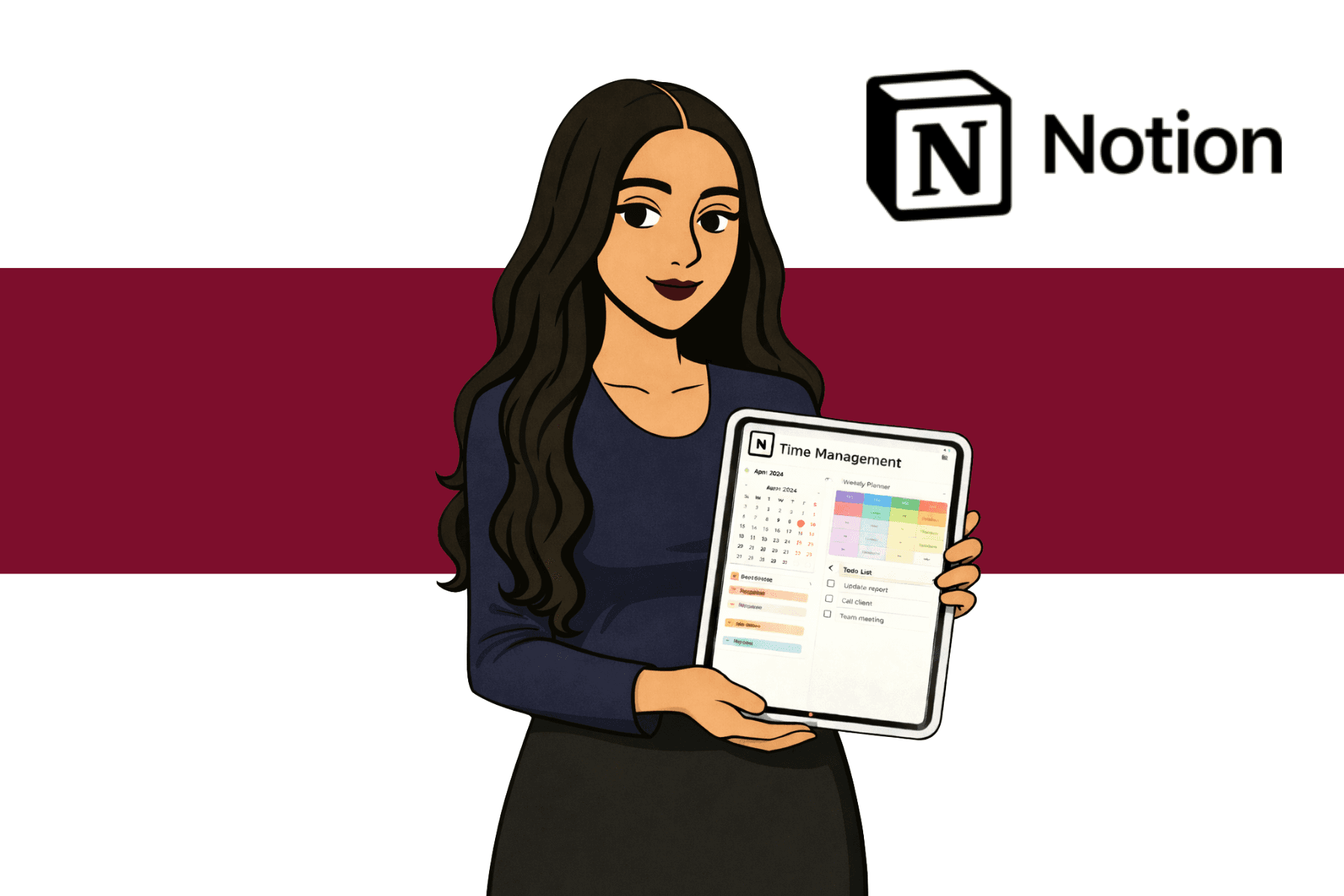
Most companies build a product.
Then they figure out how to sell it.
Notion did the opposite.
It built a story first:
“Tools should adapt to how humans think and work — not the other way around.”
That belief didn’t just shape their interface.
It shaped their entire go-to-market strategy.
And that’s why buying Notion feels less like a sales decision and more like self-recognition.
The Real Insight: Software Fatigue
Before Notion, productivity software looked like this:
One tool for docs
One for tasks
One for wikis
One for databases
Endless tabs
Endless context switching
The implicit message of most tools was:
“Learn our structure.”
Notion flipped that.
Instead of saying, “Here’s the right way to organize your work,”
they said,
“However you think — we’ll adapt to you.”
That’s not a feature.
That’s a worldview.
And that worldview became the foundation of their growth engine.
GTM Built on Story, Not Features
Once you believe tools should adapt to humans, your go-to-market strategy changes dramatically.
1. Community-Led Growth
If work is personal, then the best examples come from real people.
Notion didn’t lead with sales decks.
It led with:
Templates
Creator showcases
YouTube walkthroughs
Twitter threads
Community builds
The product wasn’t demonstrated.
It was inhabited.
People didn’t just see features.
They saw how someone like them worked.
2. Education Before Selling
Notion rarely pushed enterprise benefits first.
Instead, it showed:
“How I run my startup in Notion.”
“How I manage my PhD research.”
“How I plan my life.”
That subtle shift matters.
They weren’t saying:
“Buy our productivity platform.”
They were saying:
“Look how your brain could live here.”
By the time someone talks to sales, they already feel aligned.
3. Identity-Based Adoption
Here’s the behavioral layer most people miss.
Notion’s growth works because it taps into identity.
Users think:
“I’m organized.”
“I’m creative.”
“I’m building something.”
“I’m intentional about my work.”
Notion becomes the environment where that identity plays out.
Buying doesn’t feel like adopting a tool.
It feels like expressing who you are.
Why Sales Feels Like Confirmation
When a company builds GTM on story:
Prospects self-educate.
Community does the persuasion.
Templates act as proof.
Users already imagine themselves inside the system.
By the time they convert, the question isn’t:
“Should we buy this?”
It’s:
“Why haven’t we standardized this yet?”
That’s what happens when story drives distribution.
The Strategic Narrative Layer
Notion didn’t say:
“We’re an all-in-one workspace.”
“We replace 5 tools.”
“We’re modular and flexible.”
Those are descriptions.
Instead, their implicit narrative was:
Work should feel natural.
That belief shaped:
Product design
Onboarding
Community strategy
Pricing tiers
Content marketing
Sales enablement
Story wasn’t a tagline.
It was operating logic.
The Lesson for Modern Brands
Most B2B companies still lead with:
Feature comparison
ROI math
Analyst validation
Enterprise case studies
Notion led with:
Self-recognition
Creative freedom
Community proof
Identity
And the result?
People arrive already convinced.
Sales is mostly confirmation.
Users become evangelists.
The Bigger Insight
When your story is clear enough, it becomes your growth model.
Notion didn’t build GTM and then layer narrative on top.
It built narrative first and GTM naturally followed.
That’s the difference between marketing a product
and building a movement around how people see themselves.